Rota — Latin for "Wheel" · /ROH-tah/
The Rota Fortunae originates in Classical antiquity but was most widely popularized in the Middle Ages through Boethius' Consolation of Philosophy. It is a medieval philosophical symbol representing the cyclical nature of human life.
The wheel illustrates how people rise, fall, struggle, and return — and that no position on the wheel is permanent. Success and hardship are all temporary positions on the same rotating wheel.
What remains constant is what lies within: discipline, resilience, humility, and acceptance rather than control of and attachment to external circumstances.
At the center, the barbell weight plate — strength, discipline, repetition, and personal effort. The four outer points describe the cyclical movement that shapes us but stays outside our control.
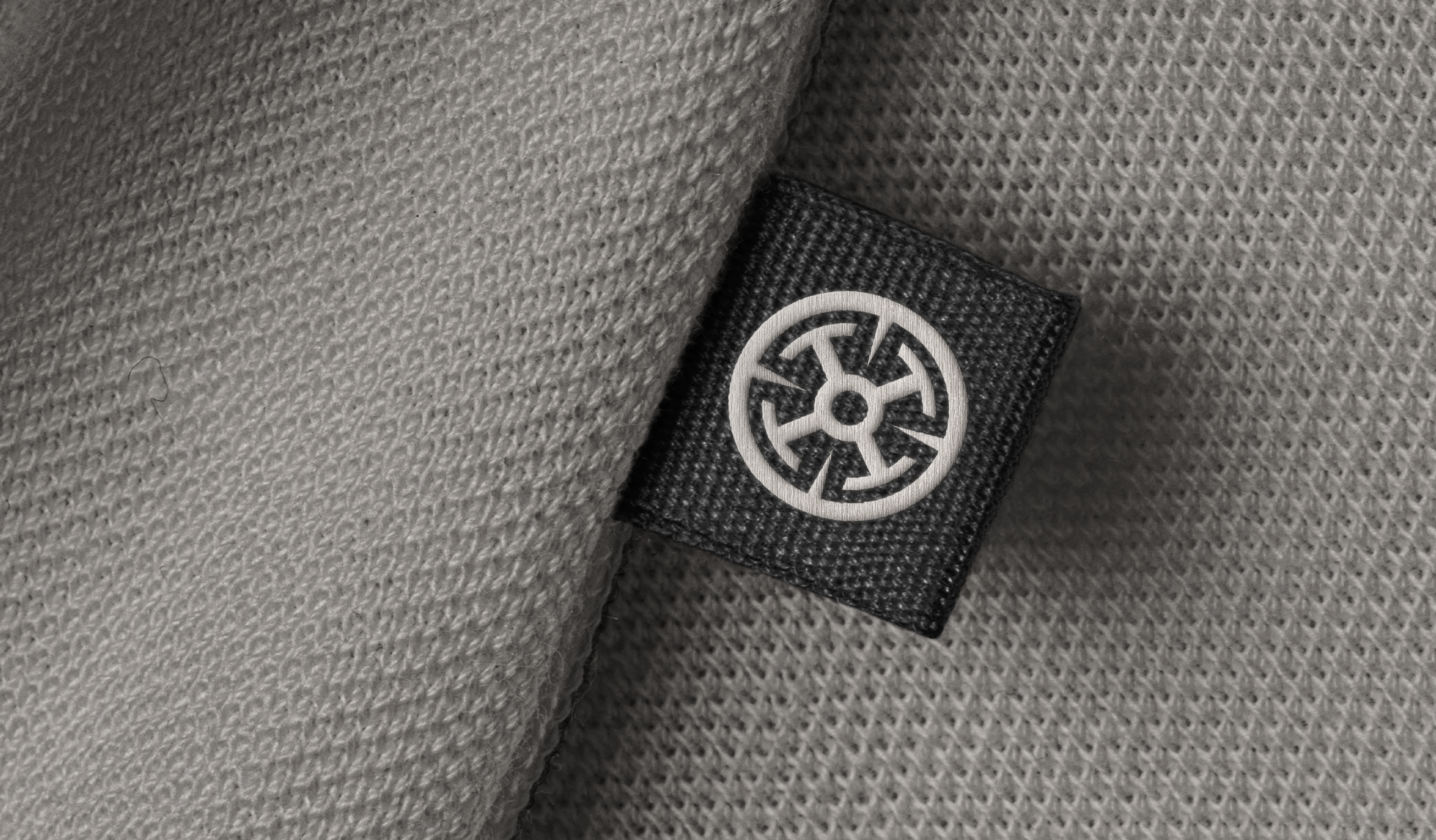
The Rota Fortunae symbol was once worn as jewelry, talismans, and engraved medallions during antiquity and the Middle Ages — a physical reminder of the cycle carried close to the body.
ROTA continues that tradition. The clothing becomes a modern talisman — an object that carries meaning through proximity to the body, reinforcing the wearer's commitment to endurance, balance, and consistency.
We don't let our circumstances define us — we let our discipline guide us. Every challenge is an opportunity to forge a stronger version of ourselves.
We embrace the highs and lows. Like the turning wheel, life is unpredictable — but we rise stronger with every fall. We value grit, persistence, and the power of showing up.
We champion the real, the raw, and the unfinished journey. No filters, no facades — just genuine effort and growth.
The wheel reminds us that moments of success and difficulty are temporary and interconnected.
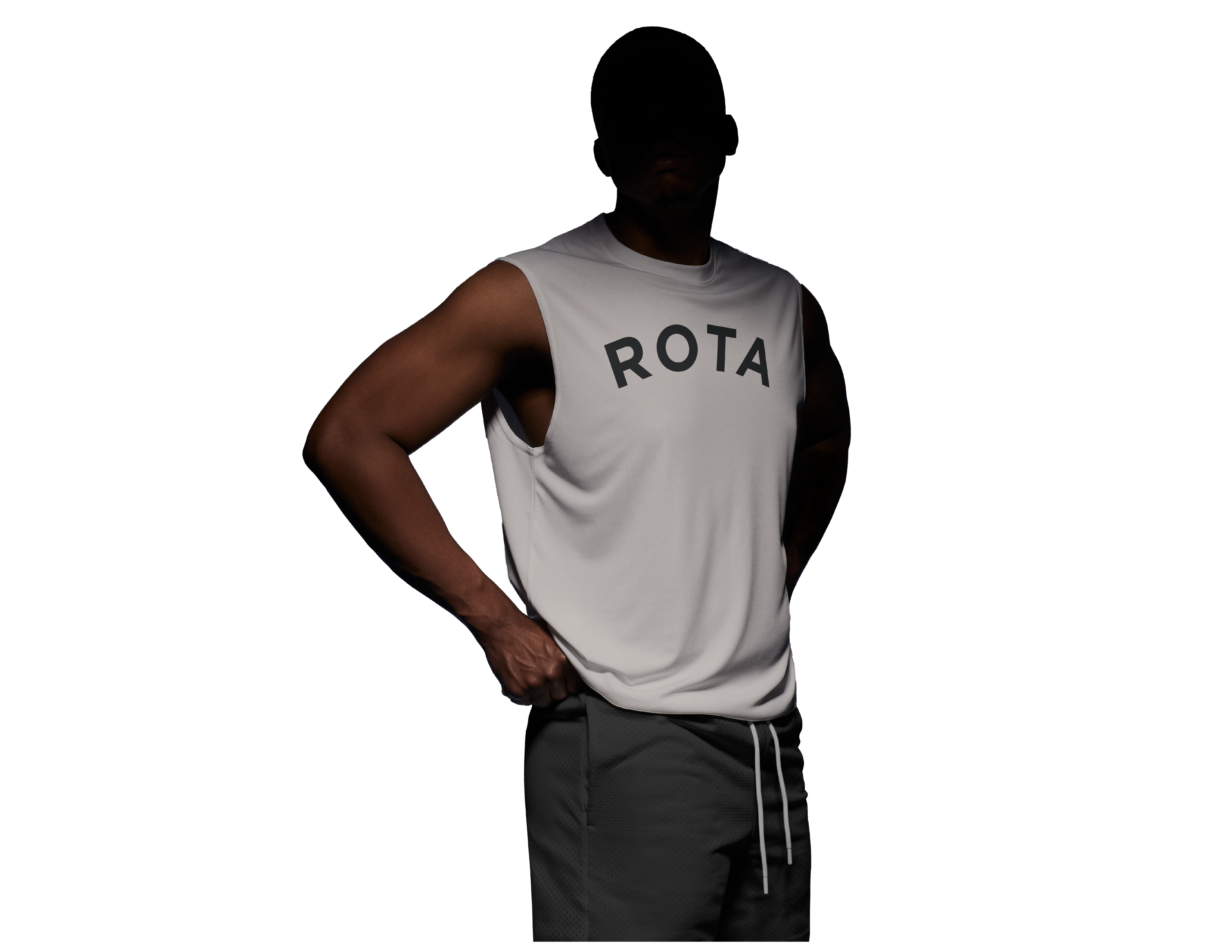
Progress is not defined by where one stands, but by the commitment to continue turning forward.